Articles and Research Papers
India’s climate transition is dependent not only by the scale of its renewable energy capacity, but also by its ability to make clean energy work for rural livelihoods. In this context, the emergence of Green Dairies offers a practical and climate-resilient pathway for rural India. Green Dairies combine decentralised renewable energy, reliable cold-chain infrastructure, reduced fossil-fuel dependence, and stronger livelihood outcomes for dairy-producing households.
Source: Enersider Media
Source: Enersider Media
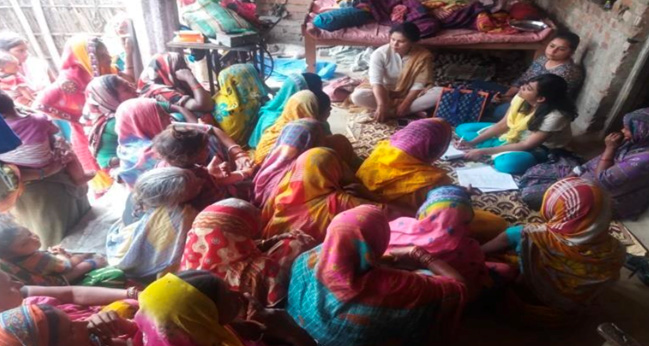
Conclusion - This case study examines a gender-inclusive renewable energy delivery model implemented in rural Bihar, India, through a partnership between TERI and the Bihar Rural Livelihoods Promotion Society (BRLPS). The initiative promoted Solar Home Systems and aimed to provide affordable, reliable electricity access in a manner that empowered women as decision-makers and entrepreneurs. By challenging traditional energy patriarchy, the model sought to enhance women’s roles in energy access, while highlighting that sustainable change requires the integration of gender considerations into broader policy and social frameworks.
Source: ResearchGate
Source: ResearchGate
A TERI-led project in Uttarakhand powered Kumaon Vani 90.4 MHz using solar PV, enhancing energy access and gender equality through community engagement.
Source: TERI
Source: TERI
This regional review by FES and TERI examines gender in energy systems across Asia. It identifies policy gaps, best practices, and makes recommendations to advance gender equity in the energy transition.
Source: Energia PDF
Source: Energia PDF
This report compares grid and off-grid systems in Nepal, Kenya, and India. It assesses how electricity affects empowerment, decision-making, and economic participation through a gendered lens.
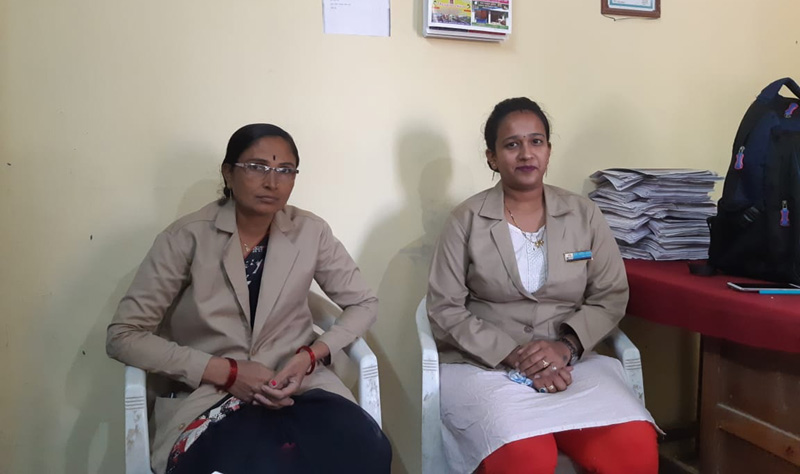
TERI implemented a solar PV project in Jharkhand’s Chitarpur cluster for 150+ women-led microenterprises. It increased income, reduced fuel reliance, and boosted sustainability.
Source: TERI Project
Source: TERI Project
The SMILE initiative empowered micro-enterprises in India to adopt solar energy, highlighting demonstration effects, cost savings, and productivity benefits as drivers for a just energy transition.
This chapter analyzes the complex link between electricity and gender empowerment using fieldwork in India and Nepal. It stresses the need for better frameworks to assess gendered outcomes in energy access.
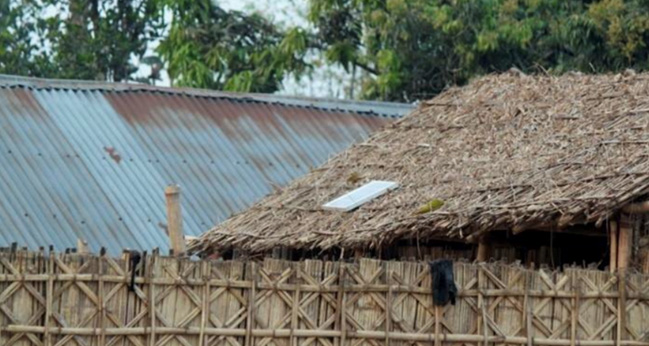
This case from Assam shows how SHLS improved rural quality of life and sustainability through CSR support by Numaligarh Refinery and TERI's knowledge partnership.
This paper outlines outcomes from COP29 in Baku, with a focus on equitable climate finance and the debate around updating the $100B target. It stresses the risk of debt-burdened solutions for vulnerable nations.
Source: Asia Society
Source: Asia Society